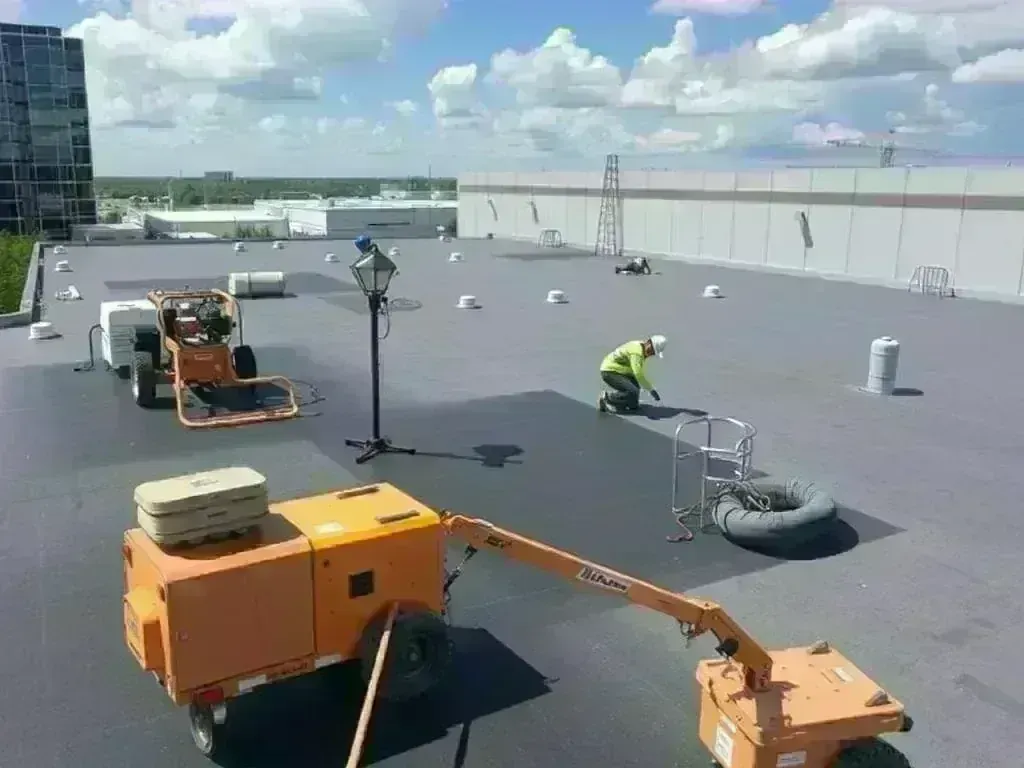
Commercial roofing differs from residential work in materials and drainage. Most commercial roofs are flat or low-slope, so water has nowhere to shed naturally. Instead, the system relies on a continuous waterproof membrane, proper flashing at walls and penetrations, and scuppers or internal drains that move water off the roof quickly. In Minneapolis, where ice dams form along eaves and hailstorms hit in late spring, the membrane must be impact-resistant and flexible enough to handle freeze-thaw expansion without cracking.
We install and service three main types: TPO, EPDM, and modified bitumen. TPO is a single-ply membrane with heat-welded seams, highly reflective, which cuts cooling costs in summer. EPDM is a durable rubber membrane that handles extreme cold well. Modified bitumen is an asphalt-based system with multiple layers, often torched down or self-adhered, giving extra puncture resistance. For a Minneapolis building, we typically recommend TPO for its energy efficiency and hail resistance, but we assess each roof's deck, insulation, and drainage before quoting.
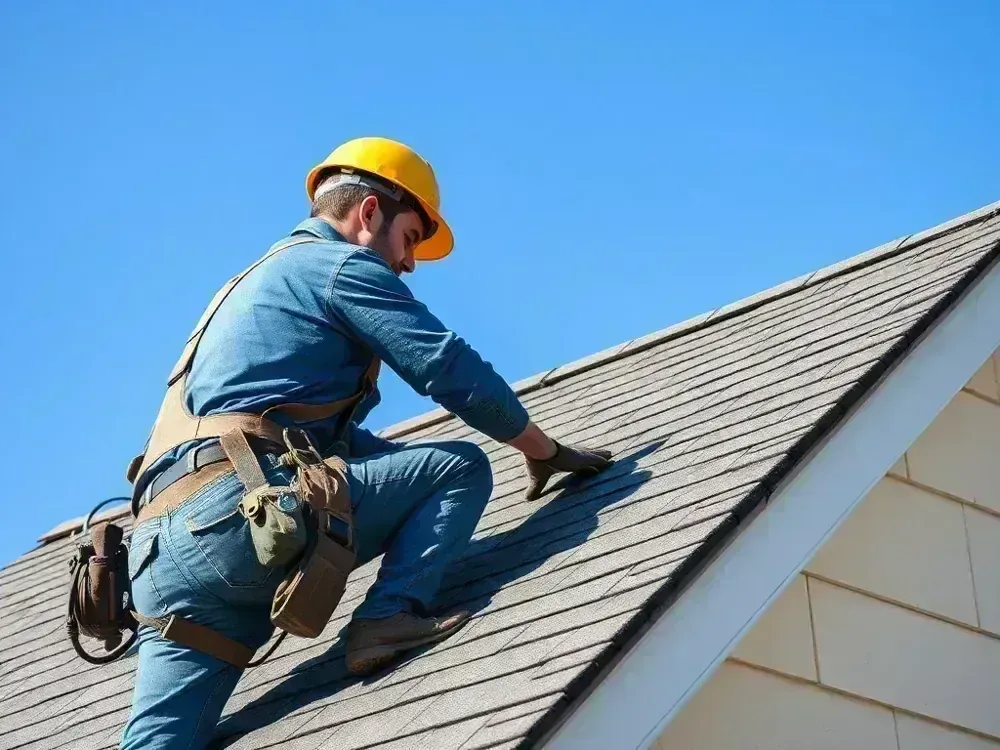
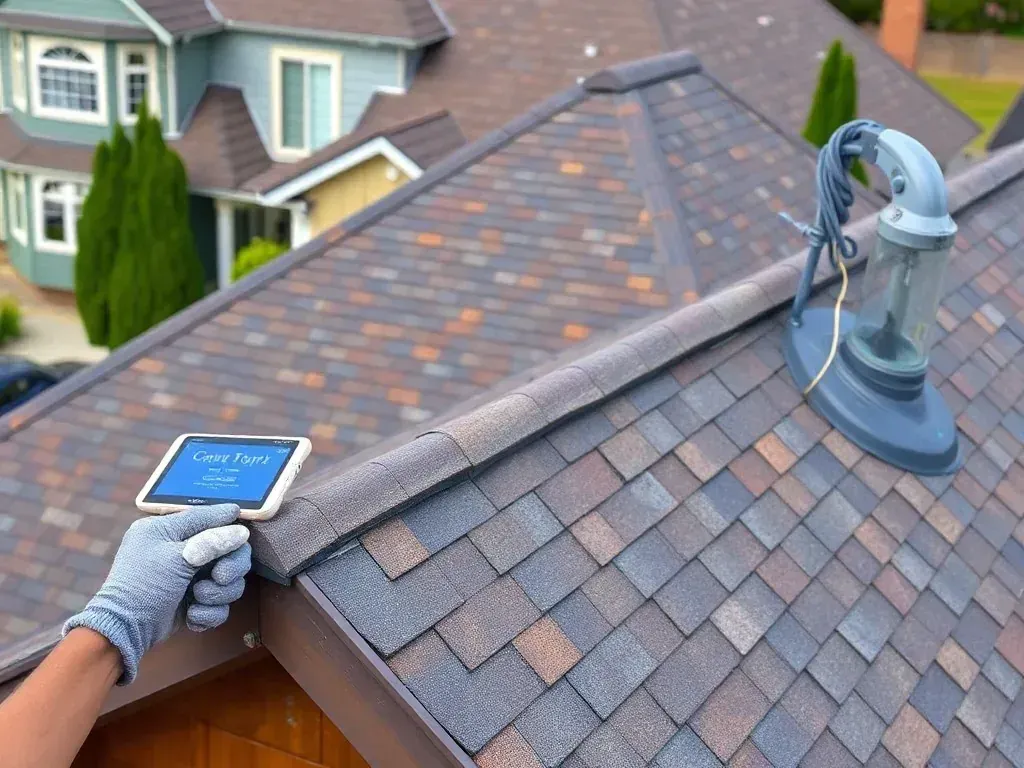
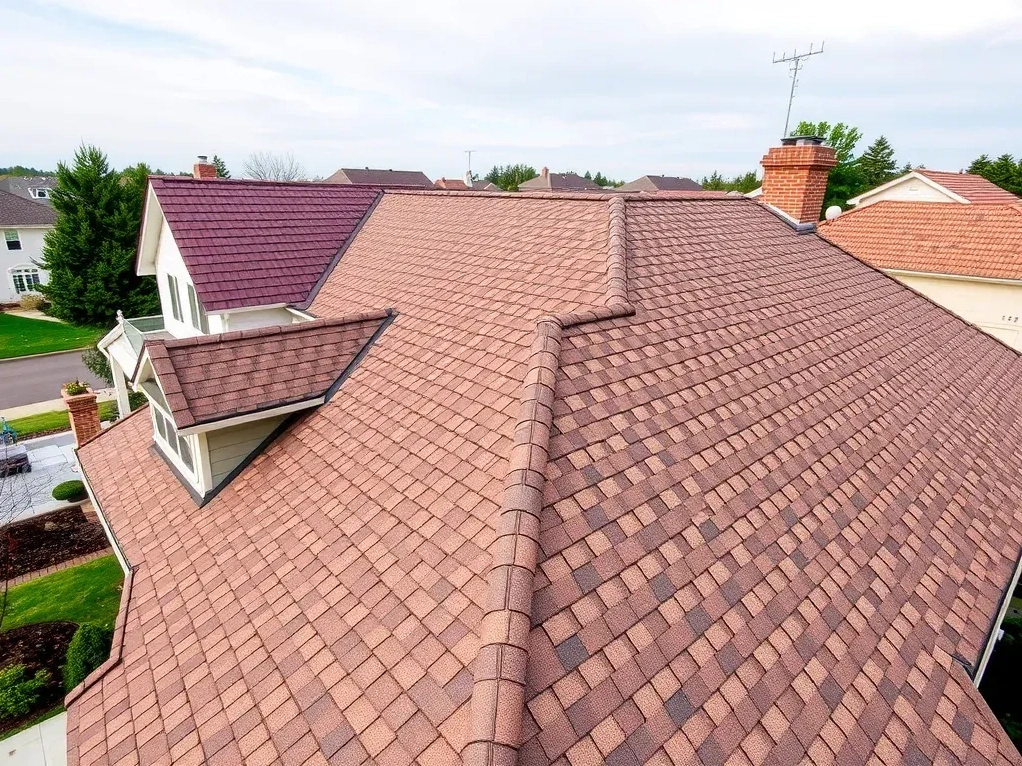
A commercial roof replacement involves tearing off the old surface down to the sheathing or deck, inspecting the substrate for rot or decay, and replacing any damaged OSB or plywood. We then install a new underlayment, a self-adhered ice-and-water shield along the eaves and in valleys, and a drip edge at the perimeter. Proper ventilation through a ridge vent and soffit intake prevents moisture buildup that can wick into insulation and cause sag. We also check fascia and flashing, and we follow Minneapolis building code for wind uplift and fire ratings.