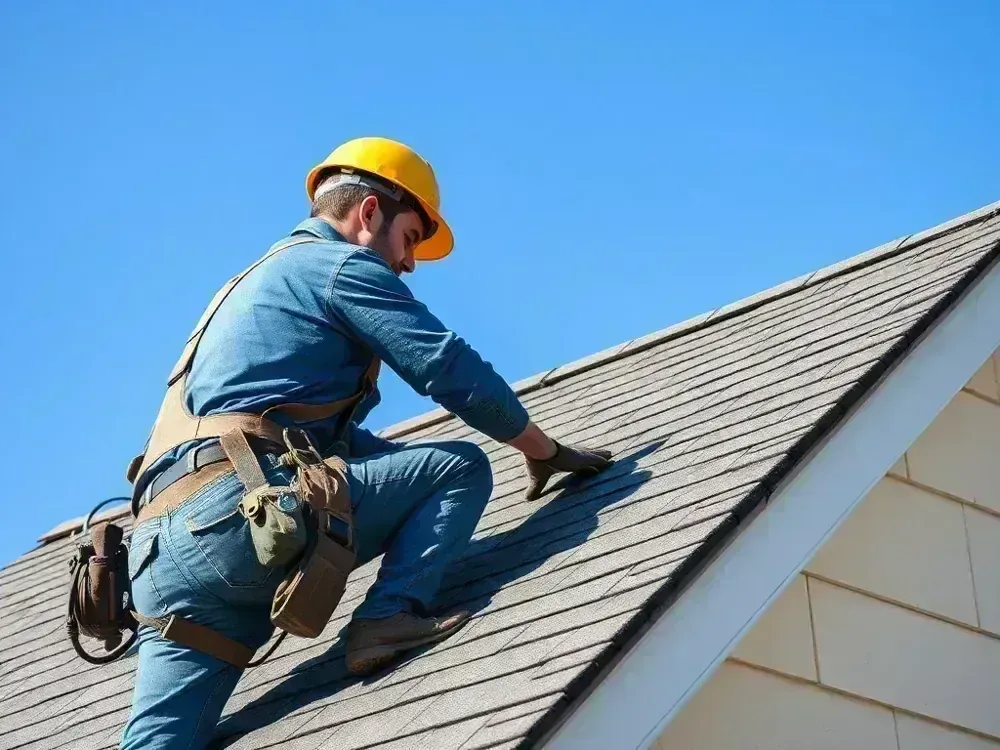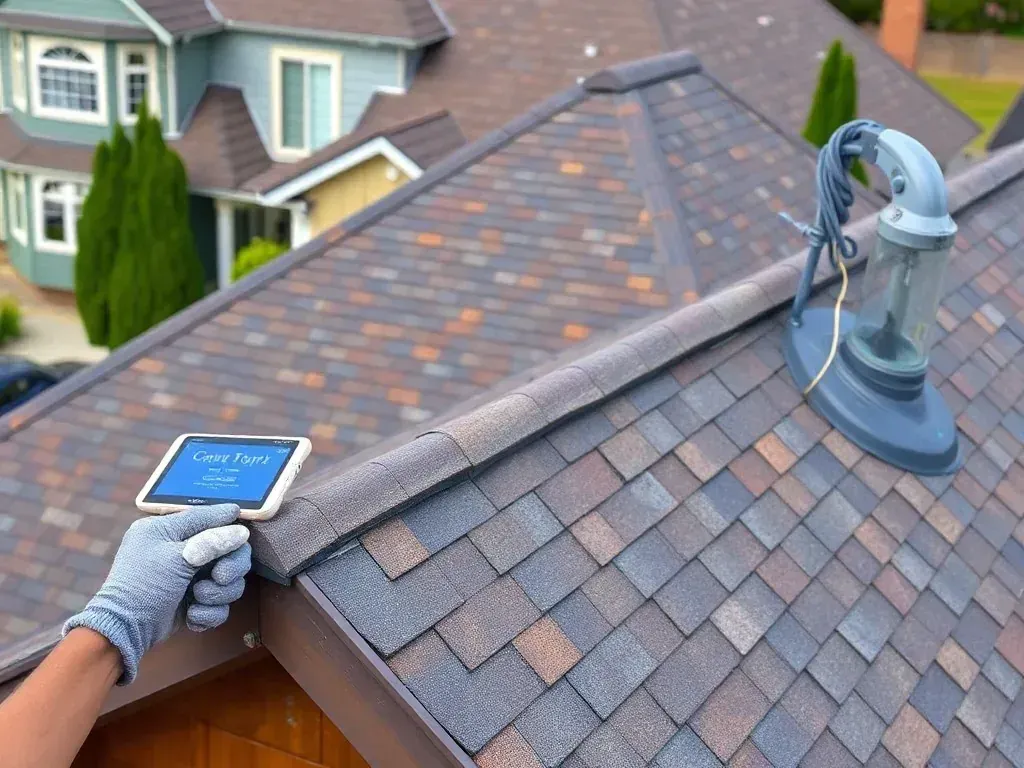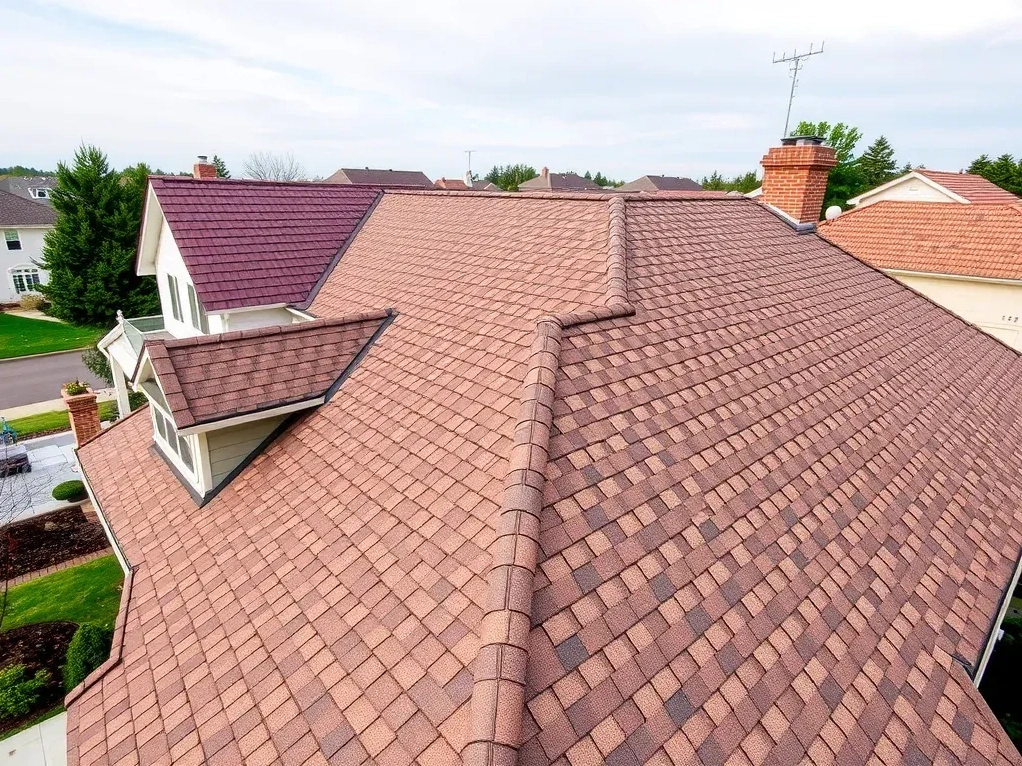
Shingle roofing works by layering asphalt shingles in staggered courses, starting with a starter course along the eaves and working up to the ridge cap. Each shingle is fastened with ring-shank nails that grip the underlying sheathing, and self-adhered ice-and-water shield is applied along the eaves and valleys to prevent water from wicking up under the shingles. The drip edge, a metal trim along the roof perimeter, directs runoff into the gutters and protects the fascia and soffit from rot. A ridge vent at the peak allows hot air to escape the attic, reducing the risk of ice dams forming in winter.
In Minneapolis, the climate demands specific choices. Heavy snowfall and ice dams mean you need a roof with a steep enough pitch and proper ventilation. Hailstorms in late spring can cause granule loss, which accelerates end-of-life wear. Rapid freeze-thaw cycles cause flashing to expand and contract, so we use flexible sealant at all penetrations. We install architectural shingles, which are heavier and more impact-resistant than standard three-tab shingles, and we can recover an existing roof with an overlay if the decking is sound, or perform a full tear-off down to the plywood or OSB sheathing when needed.
Shingle roofing is the most cost-effective option for most Minneapolis homes, from Early 20th-century Craftsman bungalows to Post-WWII ramblers and newer townhomes and condos. A typical installation takes two to three days, and we place a dumpster on-site to haul away old materials for recycling where possible. We follow building code for nailing patterns and flashing details, and we back every installation with a manufacturer warranty plus our own workmanship guarantee.