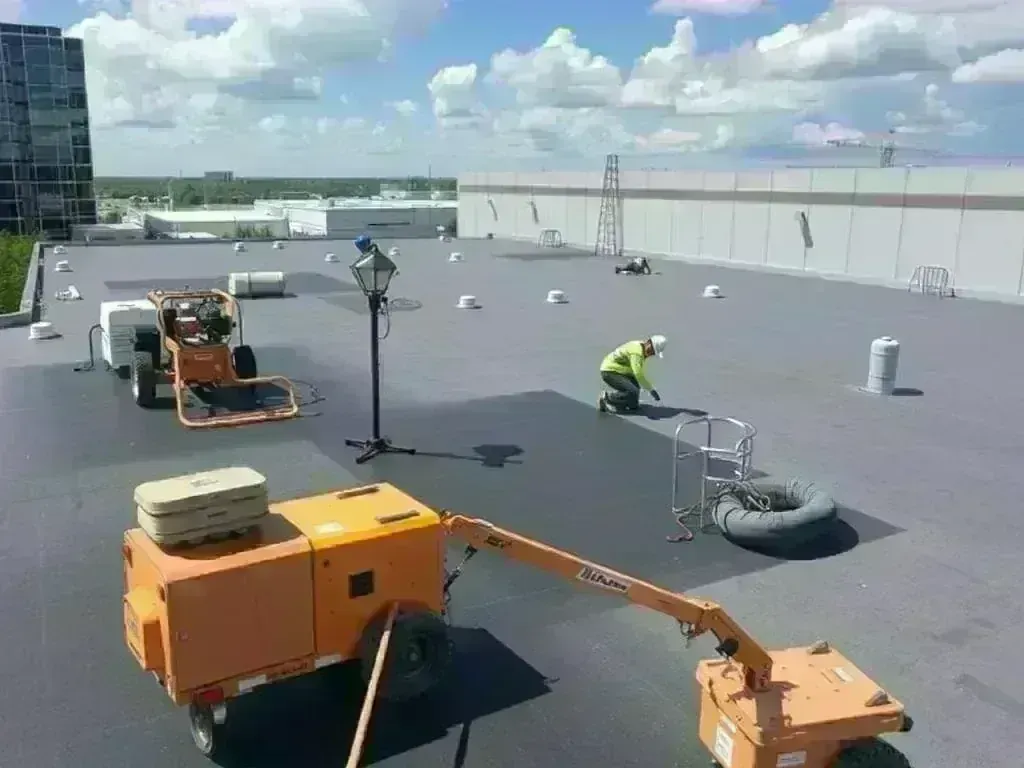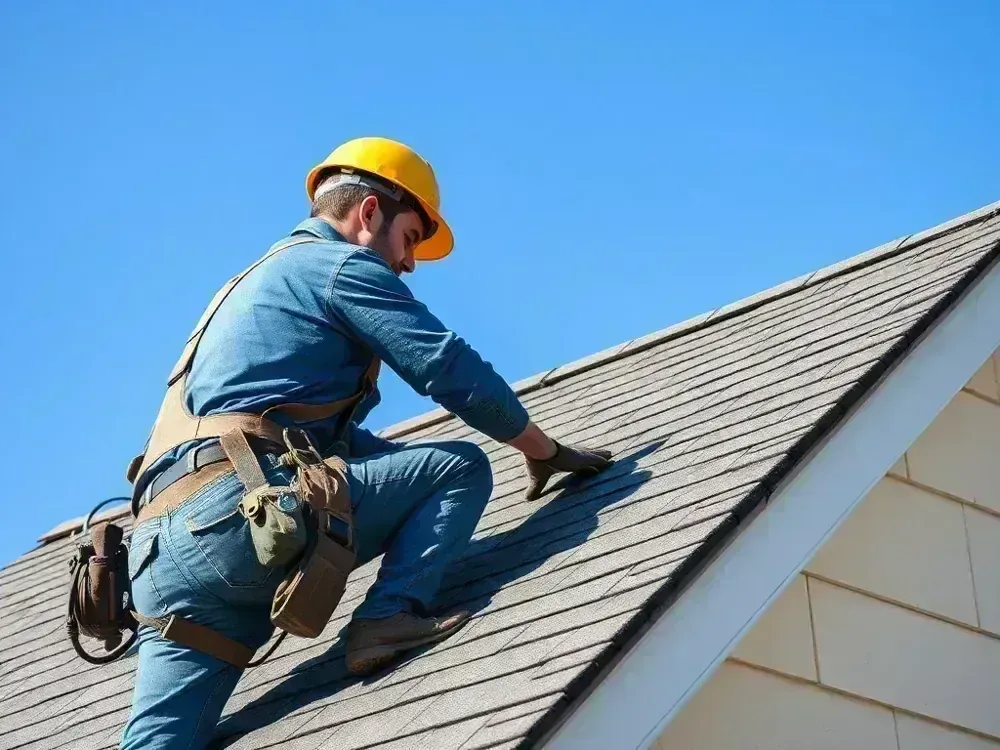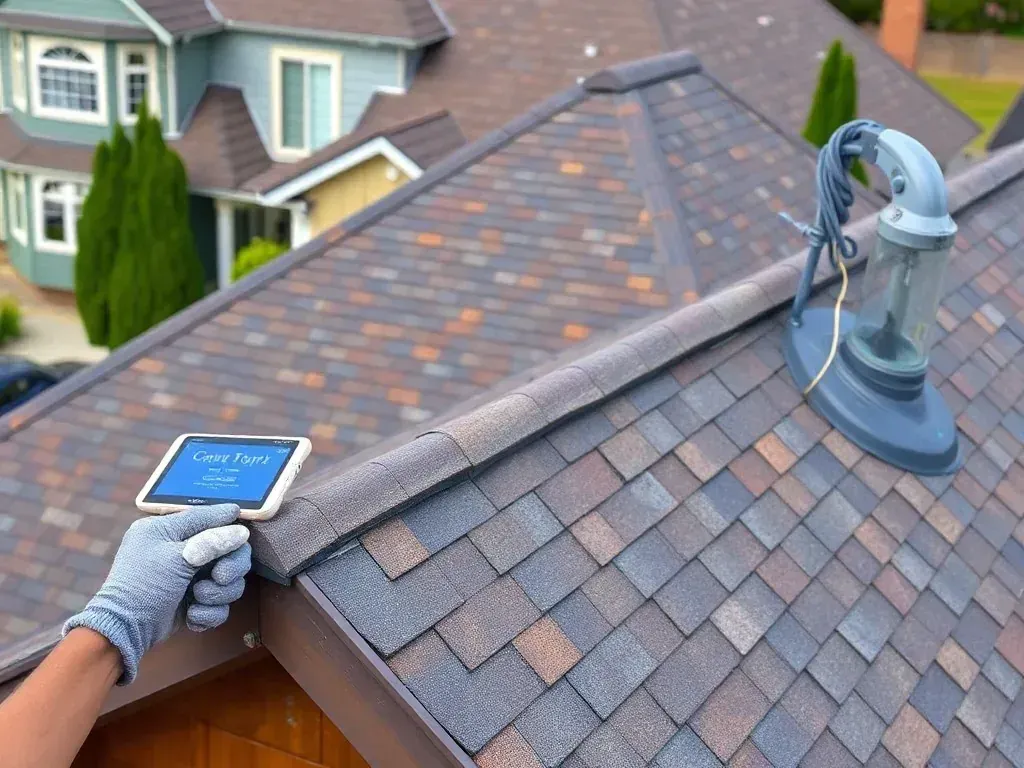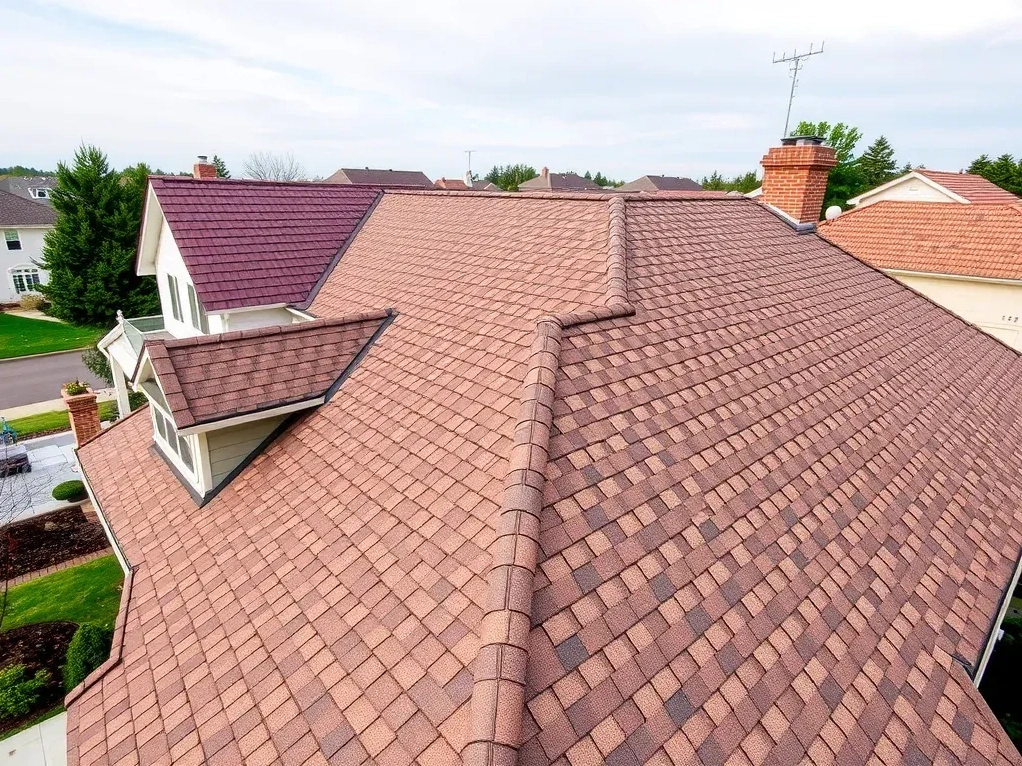
Roof repair involves more than patching a visible hole. A proper repair starts with a full inspection of the roof deck, underlayment, and flashing. We check for granule loss on asphalt shingles, which signals end-of-life wear, and probe for rot or decay in the plywood and OSB sheathing beneath. In Minneapolis, where ice dams form along eaves and water can wick up under shingles, we install self-adhered ice-and-water shield along the first six feet of the roofline. That barrier stops seepage before it reaches your insulation and drywall.
We also verify the drip edge is correctly installed to direct runoff into the gutters, and we reseal around vents, chimneys, and skylights with a high-grade sealant. A ridge vent is often part of the fix — it lets hot air escape from the attic, reducing the freeze-thaw cycle that drives shingle cracking. On a 1960s rambler in Longfellow, we once found the fascia board had rotted behind a clogged gutter; replacing it and the soffit took a day but saved the rafters from further decay. Repair work is done with ring-shank nails and staggered courses, matching the existing field course so the patch blends and holds.
If your roof is under 15 years old and the damage is localized, repair extends its life by 5–10 years. For older roofs with widespread cracking or buckled shingles, replacement may be more cost-effective. We'll tell you honestly which is which — and if we recommend replacement, we'll show you the numbers. Every repair is backed by a written warranty, and we follow Minneapolis building code for underlayment and flashing. That means no shortcuts, no overdriven nails, and no callbacks.