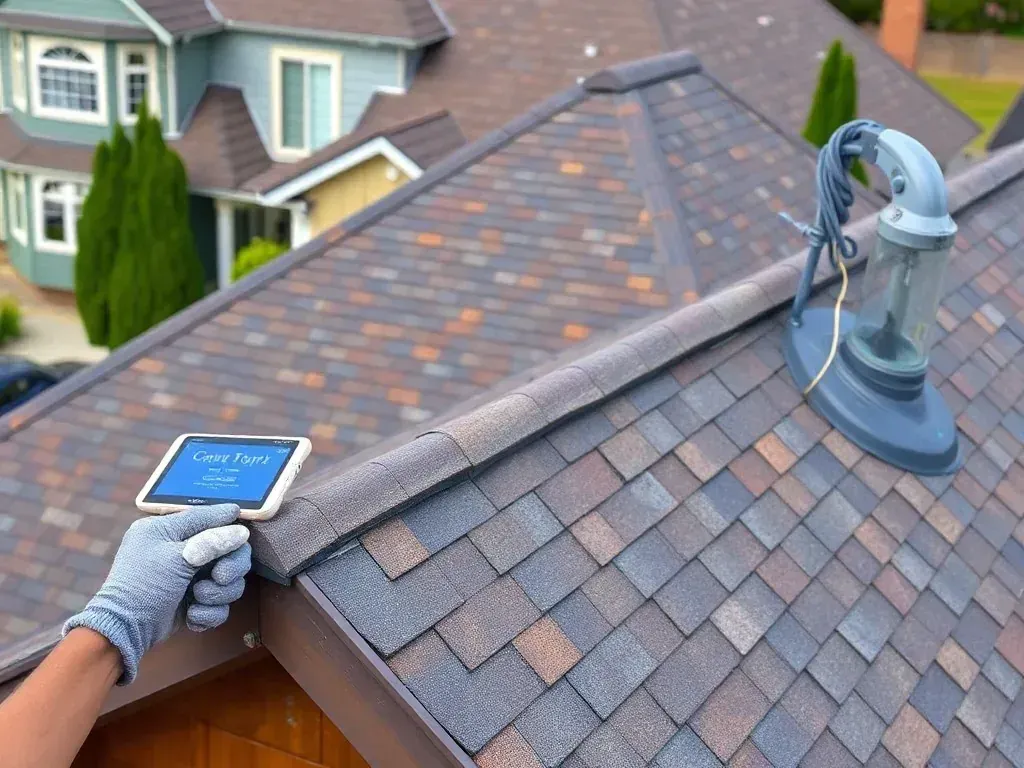
Skylight installation involves cutting a hole in your roof, framing the opening, and setting a curb-mounted or deck-mounted unit. The critical part is the flashing: a self-adhered ice and water shield wraps the curb, then step flashing interlocks with the shingle courses above. In Minneapolis, where heavy snowfall and ice dams are routine, we install a metal snow guard above the skylight to protect the glass from sliding ice. We also check the surrounding sheathing for rot or decay before we cut — if the plywood or OSB is soft, we replace it so the new skylight has a solid base.
For the best performance in our freeze-thaw cycles, we recommend fixed, low-E, argon-filled units with a warm-edge spacer. These reduce heat loss in winter and block UV fade in summer. We install the skylight so the interior sill is sloped for condensation runoff, and we tie the flashing into the existing underlayment and drip edge at the roof edge. The result is a skylight that doesn't leak, doesn't fog, and doesn't turn your attic into a sauna.
We handle the entire process: obtaining the building code permit, cutting the opening, installing the unit, and finishing the interior drywall shaft. We also haul away the old roofing materials and debris in a dumpster, so you don't have to. If your roof is near end-of-life wear, we'll tell you — sometimes a skylight is better installed after a roof replacement, not before. That's the honest answer, and it saves you money in the long run.